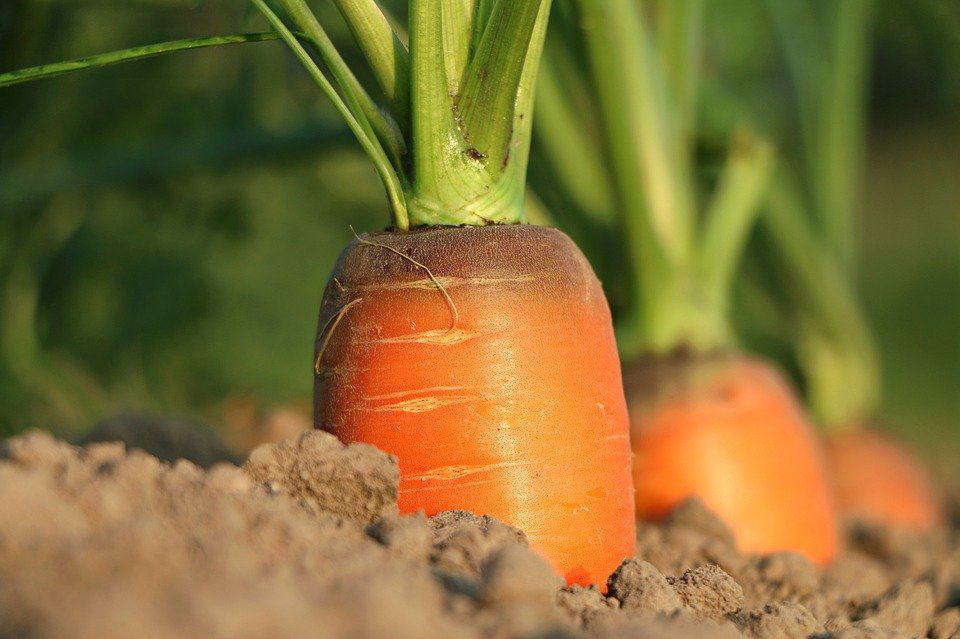
Commercial farming operations were particularly resilient as lockdown restrictions went into effect
Food production and logistics were among the star performers during the Covid-19 lockdown. Despite the initial panic buying, few people can claim there were any food shortages of note.
Even during the worst of the lockdown, the supply side remained plentiful, with sufficient food available. That doesn’t mean people did not go hungry — many did, given that the primary drivers of food insecurity in South Africa are not supply, but high levels of poverty and unemployment.
In an online report, Food security and Covid-19: averting a crisis of “biblical proportions”, financial institution Investec noted: “This security of supply is a key factor in ensuring food availability, and according to Professor Julian May, director of the Centre of Excellence in Food Security (CoE-FS) at the University of the Western Cape, the country has sufficient reserves. Commercial and subsistence farmers have largely had success in bringing in harvests, with enough local crops available, such as maize, to avert a major supply crisis in the short term.
“Professor Lise Korsten, Co-Director of the CoE-FS, explains that commercial farming operations were particularly resilient as lockdown restrictions went into effect.”
However, at a community level, lack of food fuelled tensions. Though ending of the level 4 lockdown from June 1 helped, the situation remains desperate concerning children, as some nine million have missed out on daily government-sponsored meals due to school closures. Most are still missing out as early childhood development centres and grades R, 3, 6, 10 and 11 pupils can only go back to school on July 6.
While food insecurity and self-reported hunger have declined in South Africa over the past 20 years, child stunting remains flat and high, despite the country’s rising GDP per capita, says May.
This is an abridged version of the article published by Mail & Guardian. Read the full article here


related Articles
(Re-advertisement) Science Communication Internship (NQF Level 8)
RE-ADVERTISEMENT: Science Communication Internship (NQF Level 8) Duration: Two years (1 September 2026 – 30 August 2028) Location: Bellville, Cape…
#FoodIndaba2026: Food, water and the return of the Vlei Princess
Professor Julian May is the Director of the DSTI-NRF Centre of Excellence in Food Security (CoE-FS), and holds the UNESCO…
Public Protector’s report an opportunity to strengthen SA’s food safety system
During a recent Newzroom Afrika interview, Professor Lise Korsten discussed the public protector’s preliminary report into food safety in…