No need to sacrifice taste for less fat in mayonnaise – Phd study
You don’t have to sacrifice taste for less fat in your favourite mayonnaise, and Dr Joyce Agyei-Amponsah has proven it scientifically, earning a PhD in Food Science from the University of Pretoria (UP) in the process.
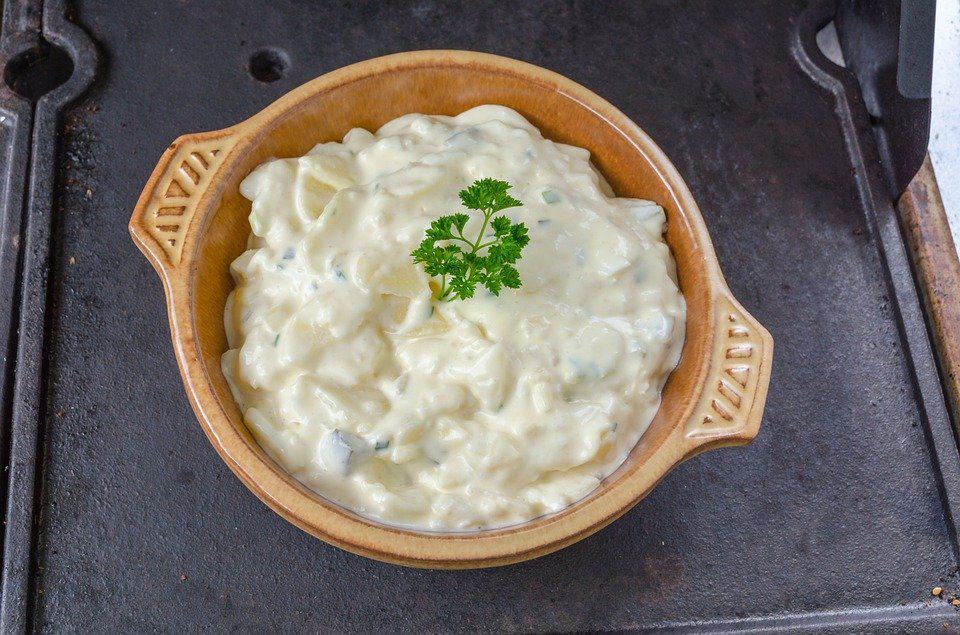
The findings will contribute to research about producing reduced-fat foods to address the global challenge of obesity
Local government best placed to tackle food insecurity, especially in times of crises
If food insecurity is also about access and utilisation, local government is as much a part of the solution as national and provincial government. It’s an understatement to say that the coronavirus has caught governments of all sizes, and at all levels, off guard. While it’s no apocalypse just yet, COVID-19 and governments’ responses have nonetheless cast a harsh spotlight on the depth of food insecurity in the country, and our capacity to mitigate it in times of crisis
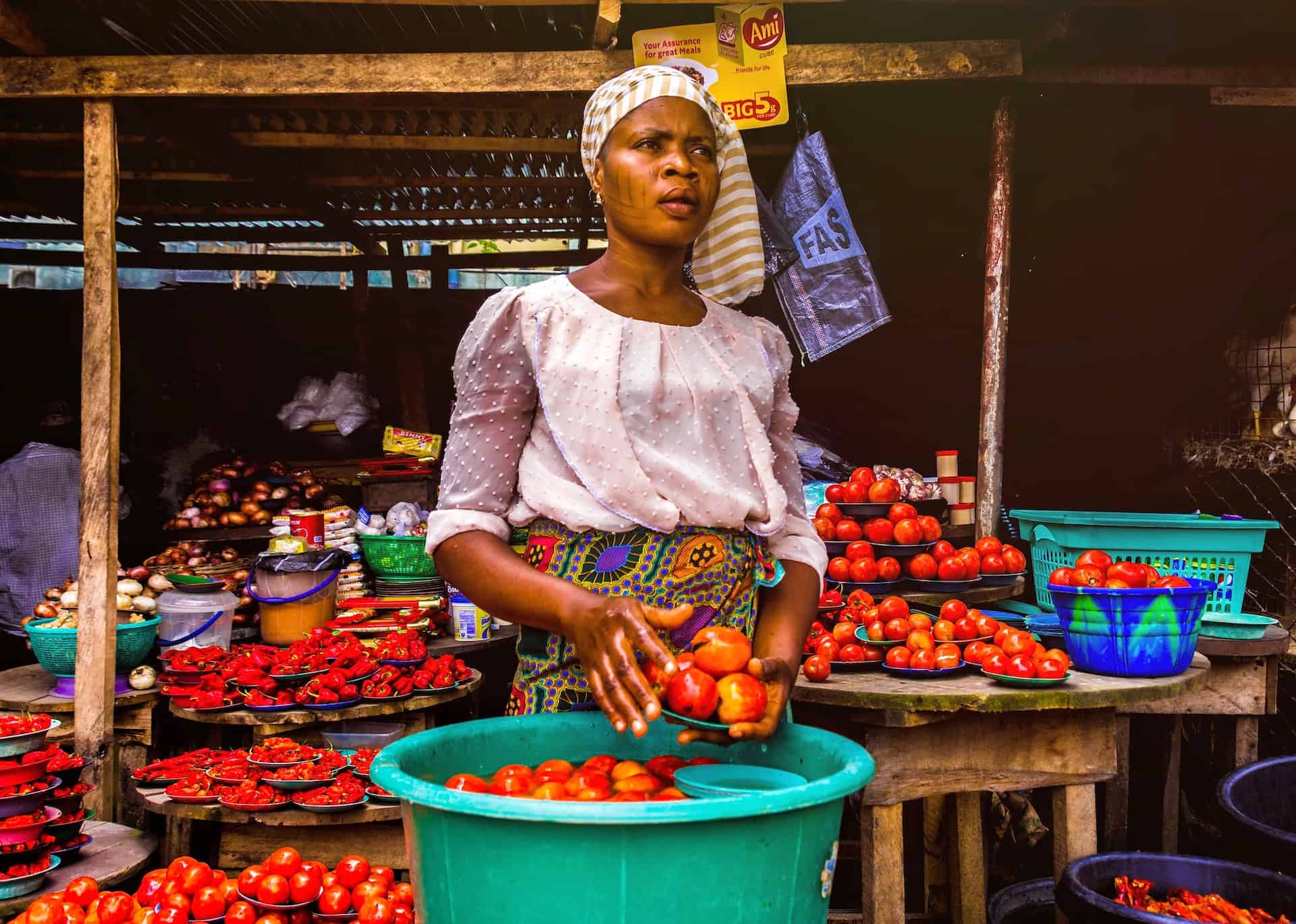
There is a strong sense that local government has by and large taken a hands-off approach to food insecurity
Lockdown: Fields are full, but plates are empty
As the lockdowns continue, the situation is threatening to evolve from a public health emergency into a full-blown humanitarian crisis. Disruptions to the increasingly global food value chain have exacerbated legacy problems with food security.
Disruptions to the increasingly global food value chain have exacerbated legacy problems with food security.
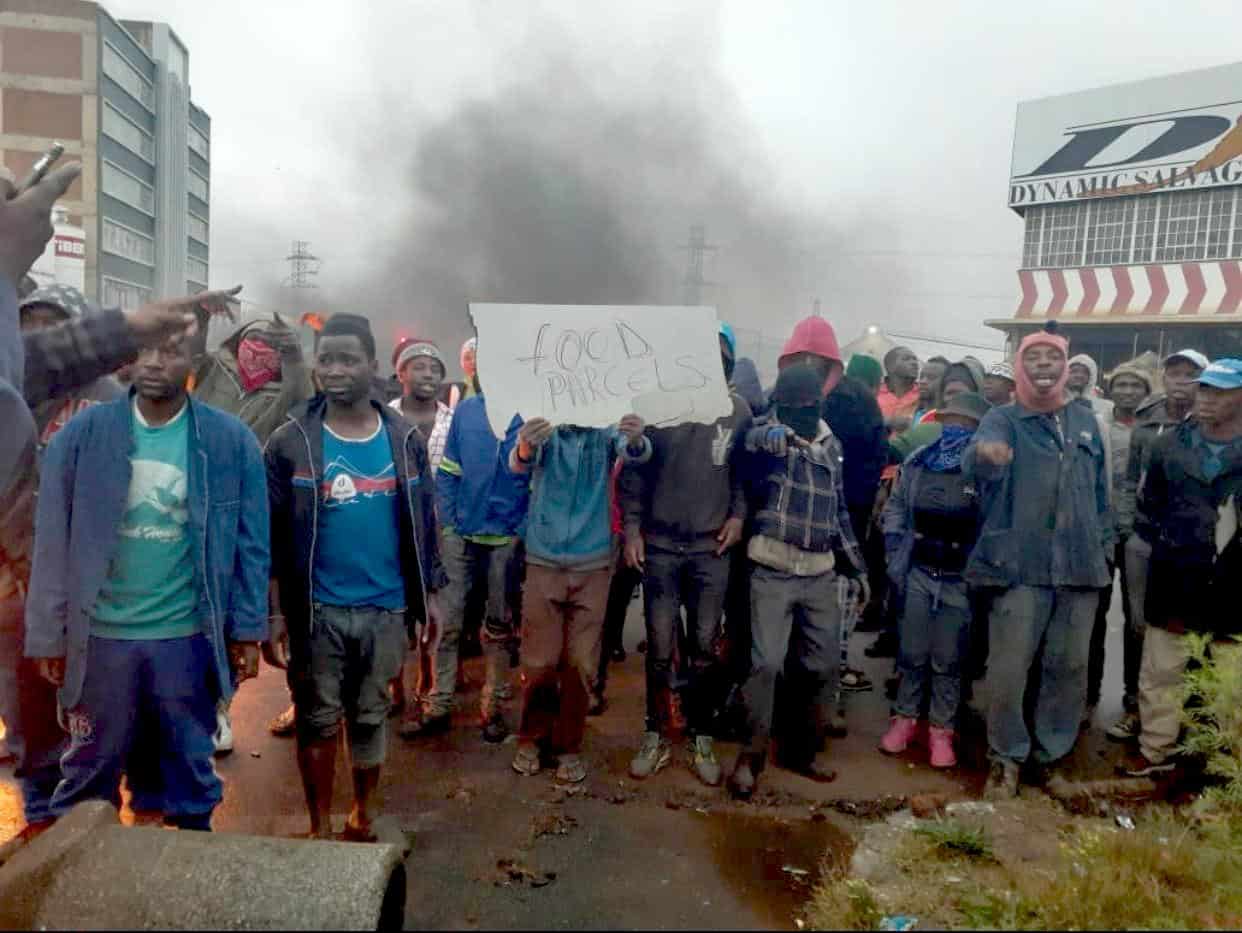
Some communities appear to be approaching boiling point, with reports emerging of social unrest including widespread looting. Image by JMPD
Appeal for emergency relief for ‘hand-to-mouth’ R360bn informal food sector
University of Pretoria (UP) academic, Dr Marc Wegerif, is calling on the government to provide emergency relief for informal food traders and the establishment of a “social safety net” to mitigate the effects of the COVID-19 lockdown.
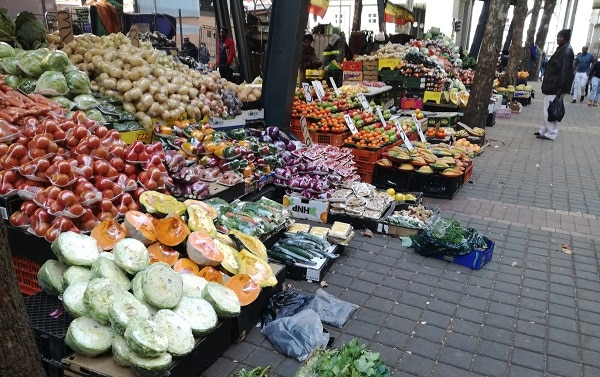
Informal food sector involves “spaza shops, bakkie traders, street traders and hawkers, and is an industry that is worth about R360 billion a year. Image credit: UP website
Small informal vendors are big business
Many vendors suffered the loss of stock as police confiscated their merchandise following initial regulations barring informal food trading. Whatever the good intentions of the lockdown, it soon became clear that it was putting the livelihoods of millions at risk, including those of street vendors like Gavu, as well as spaza shops, bakkie traders and hawkers, among others.
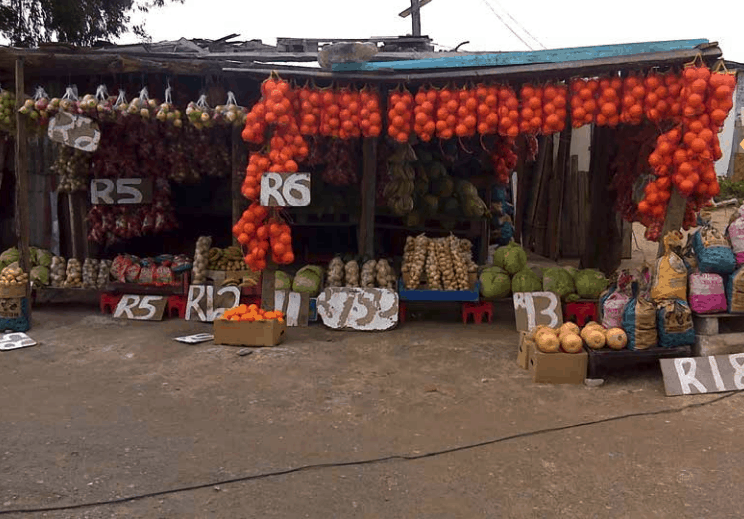
Image credit: Sustainable Livelihoods Foundation
Bodybuilding weight loss supplements sustanon 250 for sale in australia why most bodybuilding designs fail.
COVID-19: Loss of household income threatens child nutrition
COVID-19 threatens child nutrition. The current lockdown in South Africa starkly illustrates the many ways in which children’s lives can still be directly and dramatically affected by COVID-19. 11.5 million of South Africa’s children under the age of 10 years, live in households with other adults in addition to their direct care-givers. If households use their already scarce resources to buy sanitisers and hygiene products, this may come at the cost of food and other essentials.
Lockdown 2020: A humanitarian crisis is looming – where is the safety net?
Covid-19 is a public health crisis, caused by a virus. But the response to Covid-19, while necessary, is creating an economic crisis and a humanitarian crisis, which will get worse the longer the lockdown lasts. We need to confront the humanitarian crisis. Cyril Ramaphosa looked appropriately presidential on 9 April as he announced the extension of the lockdown for a further two weeks, to minimise loss of life due to Covid-19. He acknowledged the hardship already caused by the lockdown – “many have lost their income” – and he thanked South Africans for their patience and co-operation.
COVID-19: FOOD SECURITY IS ABOUT MORE THAN FULLY-STOCKED SUPERMARKET SHELVES
As South Africa prepares to shut down for 21 days to counter the rapid spread of COVID-19, promises around the maintenance of food supply chains fail to take account of the fact that food security and nutrition are far more complex than fully-stocked supermarket shelves. While we join the rest of the nation in congratulating President Cyril Ramaphosa for
his decisive, targeted interventions, it is imperative to remember that access to food
for the majority of South Africans is a multi-faceted challenge that requires judicious
cognisance during this gruelling time.
EXCLUSION OF 100% FRUIT JUICES FROM SUGAR TAX IS A GLARING OMISSION
100% fruit juices continue to evade the net cast by South Africa’s groundbreaking sugar tax, and it is long overdue for the government to step in and halt the dangerous mixed messaging that results in consumers unwittingly putting their health at risk.
Some of these fruit juice options actually contain more sugar than a regular cola, warn experts associated with the Centre of Excellence in Food Security (CoE-FS), who have entered the fray with a call for the extension of the groundbreaking Health Promotion Levy, which has been hailed as a victory for public health.
In addition, they want the government to hike the sugar tax to 20% in order to see a real impact on the proven link between rising levels of obesity in South Africa, and the increased sales of sugary beverages.